Each buyer normally buys a certain period of time in a specific system. Timeshares typically divide the home into one- to two-week durations. If a purchaser desires a longer time duration, purchasing numerous successive timeshares might be a choice (if available). Traditional timeshare residential or commercial properties usually offer a set week (or weeks) in a residential or commercial property.
Some timeshares offer "flexible" or "drifting" weeks. This arrangement is less stiff, and allows http://juliuscmzw926.image-perth.org/facts-about-what-is-a-timeshare-uncovered a purchaser to pick a week or weeks without a set date, but within a particular time period (or season). The owner is then entitled to schedule his/her week each year at any time during that time duration (subject to schedule).
Considering that the high season may stretch from December through March, this provides the owner a little getaway flexibility. What kind of residential or commercial property interest you'll own if you buy a timeshare depends upon the kind of timeshare acquired. Timeshares are typically structured either as shared deeded ownership or shared rented ownership.
The owner gets a deed for his or her percentage of the system, specifying when the owner can utilize the home. This suggests that with deeded ownership, lots of deeds are provided for each property. For instance, a condominium unit offered in one-week timeshare increments will have 52 total deeds when completely offered, one provided to each partial owner.
Each lease agreement entitles the owner to use a particular home each year for a set week, or a "floating" week throughout a set of dates. If you buy a leased ownership timeshare, your interest in the residential or commercial property generally expires after a specific term of years, or at the most recent, upon your death.
This suggests as an owner, you may be restricted from offering or otherwise transferring your timeshare to another. Due to these factors, a rented ownership interest may be bought for a lower purchase rate than a comparable deeded timeshare. With either a rented or deeded kind of timeshare structure, the owner purchases the right to utilize one particular property.
To offer greater versatility, lots of resort developments take part in exchange programs. Exchange programs allow timeshare owners to trade time in their own home for time in another participating property. how to cancel a timeshare. For instance, the owner of a week in January at a condominium system in a beach resort might trade the home for a week in a condominium at a ski resort this year, and for a week in a New york city City accommodation the next.
Get more info >How To Sell Your Timeshare Week Can Be Fun For Everyone
Typically, owners are restricted to selecting another residential or commercial property classified similar to their own. Plus, extra fees are common, and popular homes might be challenging to get. Although owning a timeshare methods you will not need to throw your money at rental lodgings each year, timeshares are by no ways expense-free. Initially, you will require a piece of money for the purchase cost.
Given that timeshares rarely maintain their worth, they will not certify for financing at a lot of banks. If you do discover a bank that agrees to finance the timeshare purchase, the rate of interest is sure to be high. Alternative funding through the designer is generally offered, but once again, only at steep rates of interest.
And these charges are due whether the owner uses the residential or commercial property. Even even worse, these costs typically escalate constantly; sometimes well beyond an affordable level. You might recoup a few of the costs by renting your follow this link timeshare out throughout a year you don't utilize it (if the rules governing your particular home permit it) - how to get out of a timeshare contract.
Purchasing a timeshare as a financial investment is rarely a great idea. Given that there are many timeshares in the market, they hardly ever have great resale potential. Instead of valuing, the majority of timeshare diminish in worth once purchased. Lots of can be challenging to resell at all. Instead, you must consider the worth in a timeshare as a financial investment in future getaways.
If you holiday at the very same resort each year for the same one- to two-week duration, a timeshare may be a terrific method to own a residential or commercial property you love, without sustaining the high costs of owning your own house. (For details on the expenses of resort home ownership see Budgeting to Purchase a Resort House? Costs Not to Neglect.) Timeshares can likewise bring the comfort of understanding just what you'll get each year, without the trouble of reserving and renting accommodations, and without the fear that your preferred place to remain will not be offered.
Some even use on-site storage, enabling you to easily stash devices such as your surfboard or snowboard, avoiding the trouble and cost of hauling them back and forth. And just because you might not utilize the timeshare every year does not indicate you can't enjoy owning it. Many owners enjoy occasionally lending out their weeks to buddies or family members.
If you do not desire to holiday at the same time each year, versatile or floating dates supply a nice option. And if you 'd like to branch out and check out, consider using the property's exchange program (make sure a good exchange program is provided before you buy). Timeshares are not the finest service for everyone.
Some Known Questions About How To Get Out Of Westgate Timeshare.
Also, timeshares are normally unavailable (or, if offered, unaffordable) for more than a couple of weeks at a time, so if you generally holiday for a 2 months in Arizona during the winter season, and spend another month in Hawaii throughout the spring, a timeshare is probably not the very best alternative. In addition, if conserving or making money is your top issue, the absence of financial investment potential and continuous expenditures included with a timeshare (both gone over in more information above) are definite disadvantages.
Does the phrase "timeshare" ring a bell, but you don't understand what a timeshare is? Or perhaps you have a vague concept of what a timeshare is but desire some more extensive information on how a timeshare works. In basic terms, a timeshare is a resort system that enables owners to have an increment of time in which they can use for getaways every year.
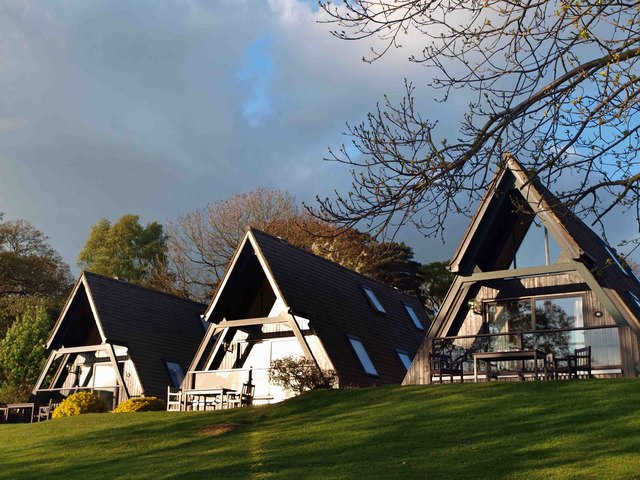
This ownership is generally in weekly increments. Many timeshares today are with big corporations like Wyndham, Marriott or even Disney. These hospitality brands offer a travel club style of membership for owners, offering flexibility and customization for trips. According to the American Resort Advancement Association, "timesharing" is defined as shared ownership of a getaway residential or commercial property, which might or might not consist of an interest in genuine property.

These increments are normally one week but vary by developer and resort. Basically, you are sharing a system with others, however "own" an assigned week. There are a couple of influential people that offer timeshare a bad associate, however pleased owners and statistics collected by ARDA's AIF Foundation negate viewpoint. In fact, the AIF State of the Vacation Timeshare Market Reveals Growth - how to dispose of timeshare legally.
If you're a timeshare owner or looking to Buy Timeshare, you must end up being knowledgeable about your trip ownership brand name, because every one works differently. The most normal (and now outdated!) method a timeshare works is owning a particular week at the same time every year, in the exact same resort. Typically, households can travel to their timeshare resort during their "set week." However, there are lots of more alternatives to timeshare than ever.